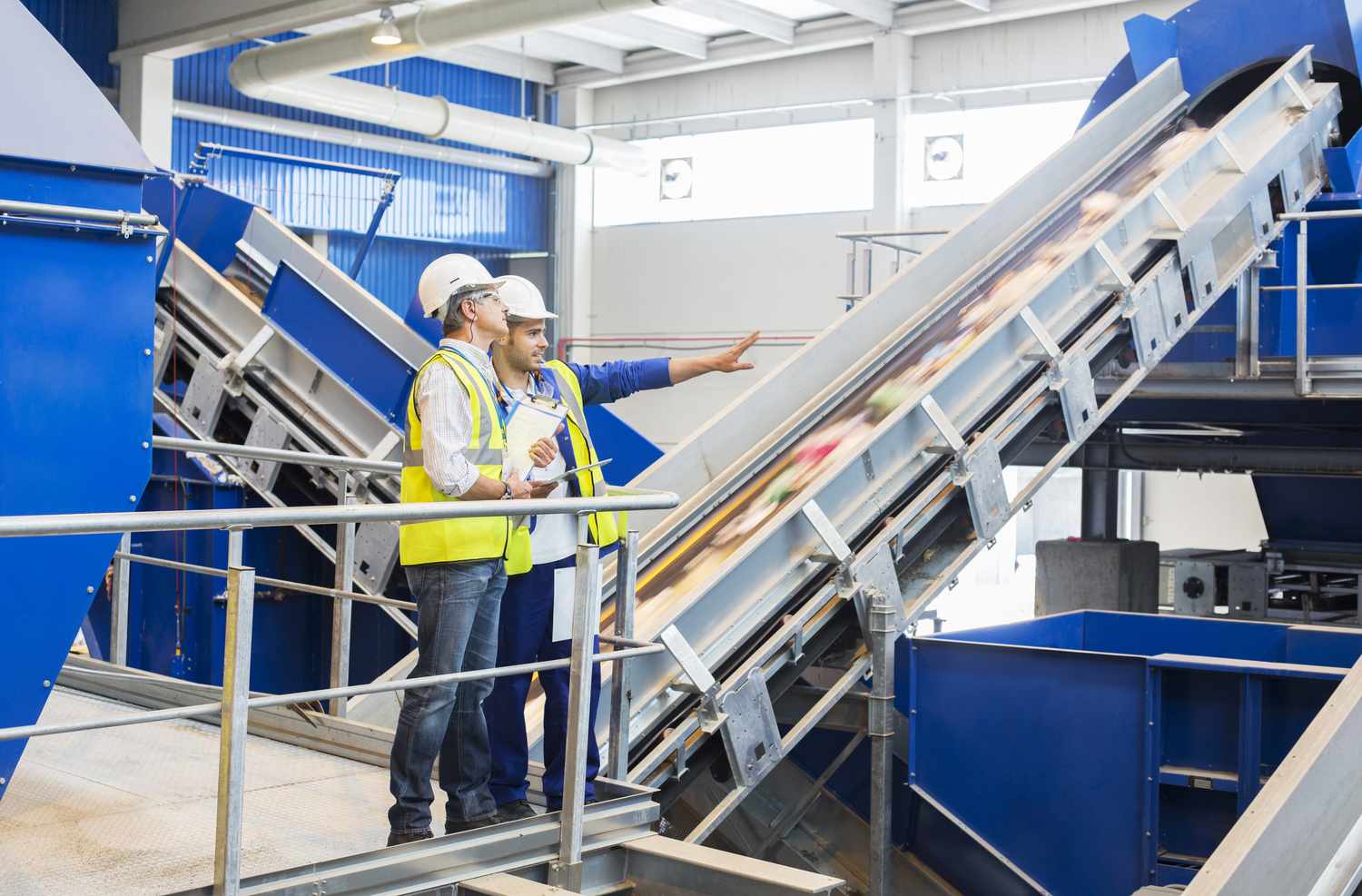
It used to be that recycling was held to the bar of good intentions. MRFS judge it by results. Collection and awareness are important but recycling actually finds its acid test once the waste encounters a plant for processing. In this article, we examine MRFS as operations − how they function, what success looks like and how small decisions made within these facilities ripple outwards.
Material Recovery Facilities or MRFs: Where Recycling is Made or Broken
Good luck imaging MRFS (Material Recovery Facilities), and this is not symbolic green infrastructure. These are actual systems that yield tangible results.
Inside MRFS, waste is either:
- Recovered and sold
- Downgraded due to contamination
- Or turned down and dumped in landfill
This renders MRFS the last point in the recycling chain.
What Constitutes “Good Performance” in MRFS?
The success of MRFS systems lies not in the volume of waste which is redirected into their systems. It boils down to how much clean material it lets out.
Key performance indicators include:
- Recovery rates by material type
- Contamination levels
- Processing speed per ton
- Downtime and maintenance efficiency
Strong MRFS orientation on output quality not merely throughput.
The Real Currency is Material Quality.
Only materials that meet quality standards can prove their worth as a recovered material.
In high-performing MRFS:
- Plastics are not mixed amongst different categories
- Metals, which are sorted correctly and clean
- Dry and uncontaminated paper streams
Poor-quality output has limited buyers. High-quality output strengthens recycling markets.
Input Waste Quality Remains Relevant
No amount of advanced MRFS can overcome bad source separation.
Contaminated input leads to:
- Slower processing
- Higher rejection rates
- Equipment damage
- Increased operating costs
And that is why MRFS rely on both technology and public cooperation in order to thrive.
MRFS and Operational Efficiency
Inside MRFS, efficiency is a matter of balance.
High automation steps up capital expense.
If automation is limited, sorting precision happens to be compromised.
Well-run MRFS balance:
- Automated sorting technologies
- Manual quality control
- Preventive equipment maintenance
- Trained staff oversight
This balance determines long-term reliability.
Financial Impact of MRFS Performance
MRFS play an immediate role in the economics of waste management.
When MRFS operate efficiently:
- Landfill costs decrease
- Recovered materials generate revenue
- Compliance costs drop
- Waste programs become sustainable
So, when they don’t, it creates a net cost, not a windfall.
MRFS vs Recycling Targets
Recycling targets do not mean a thing if the recovery is not of quality.
MRFS reveal the gap between:
- Collected recyclables
- Truly recyclable material
They supply the evidence of the effectiveness of recycling policies.
The Future Direction of MRFS
Modern MRFS are evolving toward:
- Better contamination detection
- Smarter material identification
- Adaptable systems for new packaging formats
MRFS can’t afford to sit still and let the waste streams change around them.
Final Perspective
MRFS are not collections point, they are performance engines. They count recycling based on recovery, not aspiration.
MRFS − running efficiently − turns recycling into something you can measure, profit from, and even believe.
Even the best recycling programs fall silently short when they miss their mark.
That makes the MRFs the place where the work behind sustainable waste management happens − they just decide the outcome.