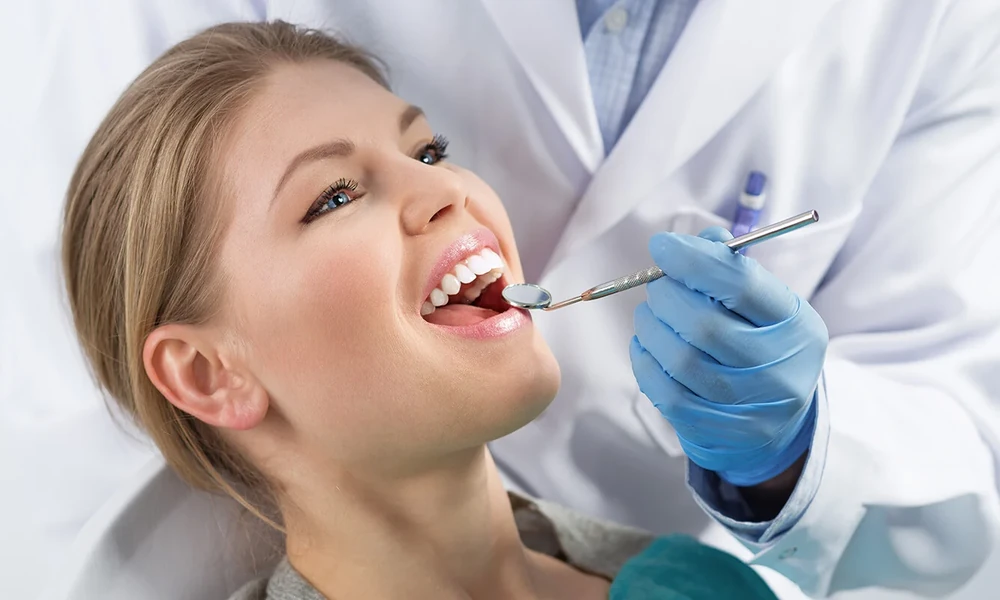
You may have noticed it in photos first. One side of your smile seems to sit higher, your chin looks slightly off center, or your teeth do not line up in a way that feels balanced. That can make you wonder whether it is only a cosmetic issue or whether something deeper is affecting your bite and face shape. In many cases, the answer is both. The connection between orthodontics and facial symmetry is real, and Invisalign San Jose can be part of that conversation, because tooth position, jaw alignment, and facial growth all influence how balanced your features appear.
That does not mean every uneven feature needs treatment, and it does not mean a perfectly symmetrical face is the goal. Human faces are naturally a little uneven. The issue starts when bite problems, crowding, jaw discrepancies, or shifting teeth change the way your lips rest, how your cheeks look, or how your jaw moves. An orthodontist looks at the full picture, not just straight teeth, and that is where orthodontic treatment and facial balance become closely linked.
Orthodontics affects more than straight teeth
Teeth support the lips, guide the bite, and help the jaw function in a stable way. When teeth are crowded, flared, spaced, or out of position, they can change how the lower face appears. A deep overbite may make the lower third of the face look shorter. A crossbite can contribute to a shifted jaw position. Severe crowding may affect smile width and the way the lips sit at rest. These changes are not always dramatic, but they are often visible enough that you feel something looks off, even if you cannot name it.
MedlinePlus explains orthodontia as care that corrects irregularities of the teeth and jaws. That matters for appearance, but it also matters for chewing, speech, and long term oral health. If your bite is unstable, your muscles may work harder to compensate. You might clench, wear teeth unevenly, or shift your jaw in a way that changes facial posture over time.
You may be thinking, if my face looks uneven, can braces or aligners fix it? Sometimes yes, sometimes partly, and sometimes not enough on their own. Mild asymmetry caused by dental alignment often improves with orthodontic care. Skeletal asymmetry, where the upper or lower jaw developed unevenly, may need a broader plan. That can include growth guidance in younger patients or combined orthodontic and surgical treatment in adults with more severe imbalances.
Facial symmetry depends on teeth, jaws, and growth patterns
Facial symmetry and braces are often discussed as if braces alone reshape the face. The truth is more specific. Orthodontic treatment influences the soft tissues of the face by changing the support beneath them. It can improve smile arc, lip support, and the way the jaws meet. It can also reduce a visible shift caused by a crossbite or midline mismatch. What it cannot do is erase every natural difference between the left and right sides of your face.
Growth patterns play a major role. In children and teens, the face is still developing, which gives an orthodontist more room to guide change. In adults, treatment still helps, but bone structure is more established. Research on craniofacial development and symmetry shows that facial form is shaped by genetics, growth, function, and environment, not just tooth alignment. A review of craniofacial asymmetry research supports that broader view.
Oral health also connects to the bigger picture. The NIDCR oral health report highlights how oral conditions affect quality of life, function, and overall health. Misalignment is not only about looks. If your bite is off, the strain can show up in daily comfort, eating habits, and confidence.
Common bite problems can change facial balance
An overbite, underbite, open bite, crowding, and crossbite can all affect appearance in different ways. A person with an underbite may feel the lower jaw dominates the face. Someone with a narrow upper arch may show less upper teeth when smiling, which can make the smile seem constricted. A functional shift from a crossbite can pull the jaw to one side each time you close, and over years that pattern can become more obvious.
This is where people often get frustrated. They may spend months focusing on skincare, makeup, facial exercises, or camera angles, while the underlying issue is structural. That does not mean every concern has an orthodontic answer, but when tooth position and bite mechanics are part of the problem, surface fixes rarely change much.
Professional orthodontic care offers a clearer path than cosmetic guesswork
| Approach | What It Can Help With | Limits and Risks |
|---|---|---|
| Orthodontist evaluation | Bite analysis, jaw relationship, tooth alignment, treatment planning for function and appearance | Requires records, time, and sometimes a staged plan |
| Braces or clear aligners | Crowding, spacing, some midline issues, mild to moderate bite correction, smile balance | Results depend on the cause of asymmetry and patient compliance |
| Cosmetic only solutions | Minor visual concerns in photos or smile presentation | Does not correct jaw position or bite problems |
| DIY online advice | General information | Can miss serious bite issues and lead to false expectations |
The value of seeing an orthodontist is clarity. You learn whether the concern is dental, skeletal, functional, or mostly normal variation. That changes everything, because treatment only feels worth it when the goal matches the cause.
Three steps you can take now
Schedule a full orthodontic assessment. Ask for an evaluation that looks at bite function, jaw alignment, facial proportions, and smile symmetry, not just whether your teeth are straight.
Track what you actually notice day to day. Write down if you chew more on one side, clench, feel jaw tension, or see a shifted bite in the mirror. Those details help connect appearance concerns to function.
Ask what improvement is realistic. A good plan should explain what orthodontics can change, what it cannot, how long it may take, and whether other care is needed. Clear expectations protect you from disappointment.
A balanced face starts with a balanced bite
The goal is not perfection. It is comfort, function, and a face that looks more in harmony because the teeth and jaws are working together the way they should. If you have been bothered by uneven features, a shifting bite, or a smile that feels off, an orthodontist can help you understand whether treatment can improve both alignment and facial balance.
You do not need to keep guessing at the cause. Getting answers is often the point where the stress starts to ease.