
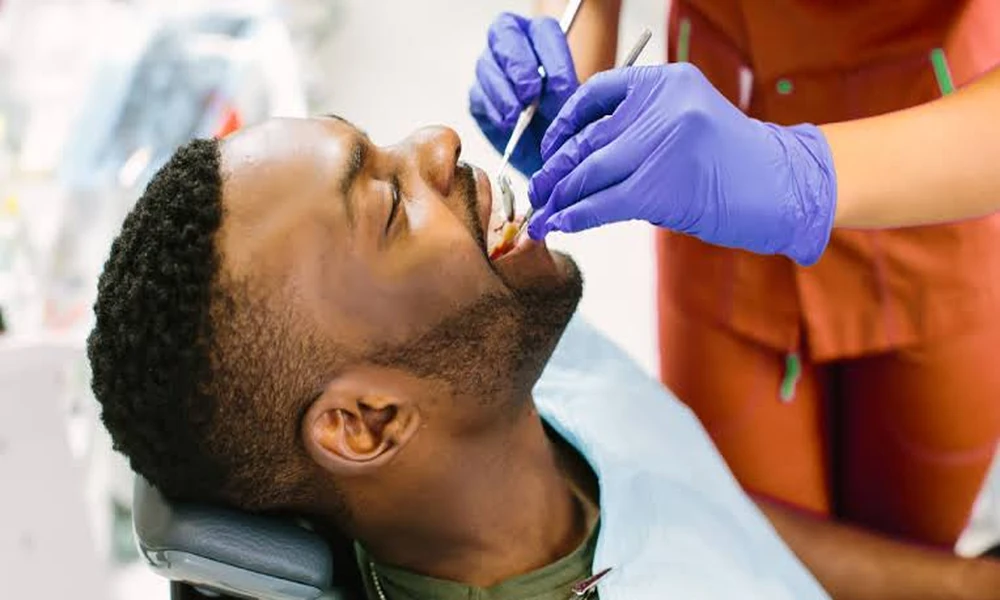
You brush, you floss when you can, and life still gets in the way. A missed cleaning turns into a year, a little sensitivity comes and goes, and suddenly you are wondering whether that small problem is about to become an expensive one. That stress is real. Dental issues rarely stay small when they are ignored, and the bill usually grows faster than the pain. If missing teeth are part of the problem, you may want to ask about dental implants in Andover, MA.
Why Preventive Dentistry Protects Patients From Costly Treatments comes down to one simple truth. Catching problems early is cheaper, easier, and less disruptive than fixing damage after it spreads. A general dentist does more than clean teeth. Preventive care helps spot decay, gum disease, enamel wear, bite issues, and habits that can lead to larger treatment plans later.
Preventive dental care stops small problems before they become major repairs
Most costly dental treatment starts with something that did not seem urgent. A tiny cavity may not hurt at first, but tooth decay does not pause because you are busy. The CDC explains that cavities and tooth decay can progress over time and lead to pain, infection, and tooth loss when left untreated.
That is where preventive visits matter. A routine exam and cleaning can reveal plaque buildup, early decay, cracked fillings, or gum irritation before you need a crown, root canal, or extraction. The difference in cost between a cleaning and a major restoration is often substantial, but the difference in time, discomfort, and stress can feel even bigger.
You may have had this thought already. If nothing hurts, is anything really wrong? Sometimes no pain means no deep damage, and sometimes it only means the issue has not reached the nerve yet. Teeth do not always give early warnings. That is why regular monitoring matters.
Gum disease creates costs that build quietly in the background
Gum problems are easy to miss because the early signs seem minor. A little bleeding when you brush. Mild tenderness. Bad breath that keeps returning. Many people assume those things are normal, then find out later they were signs of a larger issue. According to the CDC, gum disease can damage the tissues and bone that support your teeth.
Once that support starts to break down, treatment becomes more involved. You may need deep cleanings, more frequent periodontal care, antibiotics, or restorative work if teeth loosen or shift. That is the hidden cost of delay. What could have been managed with routine care becomes a longer and more expensive process.
This is one reason preventive dental care is not just about polishing teeth. It protects the foundation that keeps your teeth stable in the first place.
Routine dentistry protects both your health and your budget
Preventive care also helps in ways patients do not always expect. A dentist may notice signs of grinding, dry mouth, acid erosion, clenching, or changes in soft tissue. Those issues can wear teeth down slowly, then show up as fractures, severe sensitivity, or the need for multiple restorations. A night guard, fluoride treatment, sealants, home care changes, or more frequent cleanings may sound like small steps, but they can prevent much larger bills later.
The broader picture matters too. The National Institute of Dental and Craniofacial Research points out in Oral Health in America that oral health affects overall well-being, daily function, and quality of life. When your mouth hurts, eating, sleeping, speaking, and working all get harder. Financial cost is only part of the loss.
Preventive dentistry versus delayed treatment shows a clear cost pattern
| Situation | Preventive Approach | Likely Result | Delayed Approach | Possible Outcome |
|---|---|---|---|---|
| Early plaque and tartar buildup | Routine cleaning and exam | Healthier gums and lower risk of decay | Skip visits for long periods | Inflamed gums, deeper buildup, more involved cleaning |
| Small cavity | Early filling | Tooth structure preserved | Wait until pain starts | Larger decay, crown, root canal, or extraction |
| Night grinding | Exam and custom guard | Reduced wear and fracture risk | Ignore jaw soreness and wear | Cracked teeth, restorations, jaw discomfort |
| Bleeding gums | Early periodontal care | Better chance of controlling disease | Assume it will pass | Bone loss, loose teeth, ongoing treatment needs |
Preventive oral health care is often the least expensive point of entry. Delayed treatment usually means more appointments, more procedures, and more recovery time. It can also mean emergency visits, which tend to arrive at the worst possible moment.
Simple steps help you avoid expensive dental treatment
Schedule care before symptoms force the issue. Do not wait for pain to make the decision for you. Routine exams give your general dentist a chance to catch changes early, when treatment is usually simpler and less costly.
Pay attention to the quiet warning signs. Bleeding gums, sensitivity, bad breath, jaw tension, and rough edges on teeth are not random annoyances. They often point to problems that respond better to early treatment than late repair.
Ask for a prevention plan that fits your real life. Not everyone has the same risks. You may need fluoride, sealants, a night guard, dry mouth support, or more frequent cleanings. A tailored plan is often the most practical way to avoid expensive surprises.
Protecting your teeth early helps you avoid harder choices later
Most people are not trying to neglect their teeth. They are juggling work, family, schedules, and costs, and dental care gets pushed down the list until something breaks. That pattern is common, and it is also expensive. Preventive dentistry gives you a way to stay ahead of damage instead of paying to catch up with it later.
If you have been putting off a visit, now is a good time to book an appointment with a general dentist and address small issues before they turn into major treatment.
