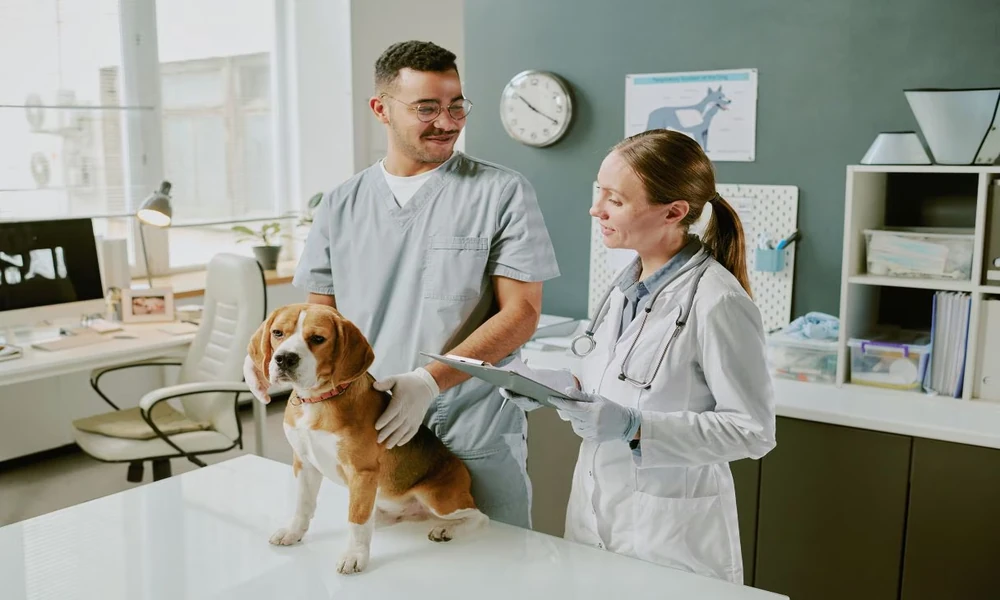
You know something is off when your pet stops acting like themselves, and a visit to a Fontana animal doctor can help you make sense of the changes. Maybe your cat is drinking more water and losing weight, or your dog seems tired, stiff, or less interested in food. At first it is easy to explain it away. Then the pattern keeps showing up, and that quiet worry starts to sit with you all day. Chronic illness in pets often begins like that, with small changes that are easy to miss until they are not.
This is where the role of animal hospitals in monitoring chronic conditions becomes so important. Chronic disease is rarely managed with one visit and one prescription. It needs follow through, testing, pattern tracking, and a care team that can spot trouble before it turns into a crisis. An animal hospital does more than treat symptoms. It helps you keep your pet stable, comfortable, and safer over time.
Animal hospitals help catch slow changes before they become emergencies
Chronic conditions move in a slow, uneven way. A pet can look fine one week and struggle the next. Kidney disease, diabetes, arthritis, heart disease, thyroid issues, and chronic skin problems all tend to shift over time. That is why veterinary hospitals monitoring long term pet illnesses matters so much. The goal is not only diagnosis. The goal is watching what changes, what stays stable, and what needs a response.
You may notice only one piece of the picture at home. Your pet is eating less. Their litter box habits changed. Their coat looks dull. Those details matter, but they do not always show the full story. At an animal hospital, routine bloodwork, urine testing, weight checks, blood pressure readings, imaging, and physical exams fill in the gaps. When those pieces are tracked over months, not just once, your veterinarian can see trends that would otherwise stay hidden.
A cat with chronic kidney disease is a good example. Early signs can be subtle, yet the condition can progress without obvious distress until dehydration, nausea, or weakness sets in. Cornell’s guide to chronic kidney disease in cats explains how common and persistent this issue can be, especially in older cats. Regular monitoring helps adjust diet, fluids, and medications before the disease causes sharper decline.
Ongoing pet chronic disease management reduces guesswork and stress
Living with a pet who has a chronic condition can make every small change feel loaded. If they skip a meal, is it a bad day or a sign the treatment is failing. If they seem thirsty, is that normal or a reason to panic. Without regular medical follow up, you are left guessing, and guessing gets expensive and exhausting.
Ongoing pet chronic disease management gives structure to that uncertainty. A good animal hospital sets a schedule based on the condition, the pet’s age, current lab values, and response to treatment. Some pets need rechecks every few weeks at first. Others may do well with visits every few months. The point is consistency. Chronic care works best when it is proactive, not reactive.
Diabetes shows why this matters. Blood sugar can swing with diet changes, missed doses, stress, infection, or weight changes. A pet who seems stable at home may still need dose adjustments. Tufts’ overview of pet diabetes highlights how careful monitoring shapes treatment and quality of life. This is not just about numbers on a chart. It is about preventing complications like weakness, dehydration, and hospital level emergencies.
An animal hospital connects symptoms, test results, and daily life
The strongest chronic care plans are built around both medical data and what you are seeing at home. That mix matters. Lab work may show stable kidney values, but if your cat has started hiding and turning away from food, the plan may need to change. A dog with arthritis may have decent mobility in the exam room, yet struggle getting up on cold mornings. An animal hospital takes those home observations seriously because chronic illness does not live on paper. It shows up in routines, appetite, sleep, energy, and comfort.
This is also where financial strain often enters the picture. Recheck visits, prescription diets, medication refills, and diagnostic testing can add up. Skipping monitoring to save money can backfire when a manageable issue turns into an emergency visit or hospitalization. A hospital team can often help prioritize what needs to happen now, what can wait, and which warning signs mean your pet should be seen sooner.
Home observation and hospital monitoring work best together
| What You Track at Home | What the Animal Hospital Tracks | Why Both Matter |
|---|---|---|
| Appetite, thirst, energy, bathroom habits | Bloodwork, urinalysis, blood pressure, weight | Behavior changes can appear before lab changes, and lab changes can show risk before symptoms are obvious |
| Mobility, pain signs, sleep, mood | Physical exam, joint assessment, imaging | Comfort and function improve when visible pain signs are matched with medical findings |
| Medication routine and side effects | Dose review, treatment response, refill timing | Missed doses or side effects can explain setbacks that look like disease progression |
| Weight changes you notice at home | Accurate weight trends over time | Even small gains or losses can change treatment plans for diabetes, kidney disease, and heart disease |
Small, consistent steps make chronic care more manageable
Keep a simple symptom log. Write down changes in thirst, appetite, bathroom habits, weight, energy, and behavior. Use your phone if that is easier. Bring it to every visit. This helps your veterinarian compare your observations with test results and catch patterns earlier.
Do not wait for a dramatic change. If your pet has a diagnosed chronic condition and something shifts for more than a day or two, call the animal hospital. A small drop in appetite or a mild increase in drinking may seem minor, but in a pet with kidney disease or diabetes it can mean the current plan needs adjusting.
Ask for a monitoring schedule in writing. You should know when the next recheck is due, what tests are expected, what symptoms need urgent attention, and how medications should be given. Clear instructions lower stress and make it easier to stay consistent at home.
Steady monitoring protects comfort and quality of life
Chronic illness changes the rhythm of life with a pet, and that can feel heavy. You are not overreacting by paying attention to small changes. You are doing exactly what your pet needs. The role of animal hospitals in monitoring chronic conditions is to turn those small details into a plan, reduce risk, and help your pet live with more comfort and stability through every stage of care.
If your pet is showing ongoing symptoms or already has a chronic diagnosis, schedule a check in with an animal hospital and ask for a monitoring plan that fits your pet’s condition and daily life.