
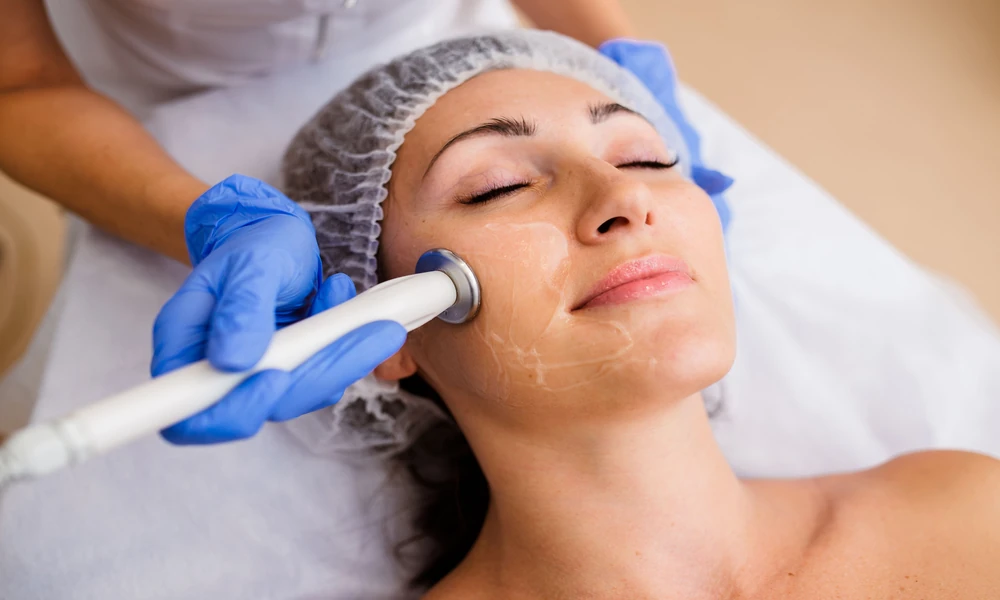
What if achieving firmer, more youthful skin did not require going under the knife or losing weeks to recovery time? Modern skin rejuvenation has taken a leap forward with the introduction of advanced monopolar radiofrequency (RF) technology. The buzz is not just about results, but about safety and comfort for anyone hoping to turn back the clock on aging.
The Evolution of Skin Rejuvenation Technologies
Beauty treatments have evolved quickly, moving from invasive surgical facelifts with significant downtime to a vast array of non-invasive solutions. Early approaches often involved aggressive peels, lasers, or surgical tightening, each presenting its own set of risks and recovery hurdles. Many people were left torn between less effective surface-level treatments and the intensity of surgery.
The Rise of Radiofrequency (RF) in Aesthetic Medicine
RF energy changed the game by providing a way to stimulate deeper skin layers without incisions or injections. As devices and protocols improved, so did patient safety and satisfaction. RF became a preferred option for skin tightening and rejuvenation, especially for those seeking subtle yet significant results.
Understanding Monopolar RF Technology
Basics of Radiofrequency Energy
At its core, radiofrequency energy is a form of electromagnetic energy that generates heat within skin tissue. Controlled heating targets the dermis and subcutaneous layers, leading to collagen contraction and eventual remodeling. The result? Smoother, tighter, and more resilient skin.
How Monopolar RF Differs from Other RF Modalities
Not all RF devices are built the same. Monopolar RF systems use a single electrode to deliver energy deeply and uniformly, relying on a grounding pad to help guide the current. This is different from bipolar or multipolar devices, which disperse energy more superficially and may not reach the layers responsible for real structural change.
Multifrequency Delivery: A Game Changer in Depth and Precision
Traditional RF devices often use a single frequency, limiting their reach. The latest Korean-engineered technologies, such as Xerf, incorporate multifrequency delivery. By alternating between high (6.78 MHz) and low (2 MHz) frequencies, these devices tailor the depth and effect of each treatment, ensuring both surface smoothness and profound tightening.
The Development of Xerf: Cutting-Edge Korean Innovation
Korea’s reputation for advancing cosmetic technology is well-earned, and the inception of Xerf exemplifies this spirit. Originating in Korea, Xerf introduced a new era in non-surgical skin tightening by blending multifrequency and monopolar RF technologies.
Combining 6.78 MHz and 2 MHz Frequencies for Targeted Treatment
By marrying dual frequencies in one system, Xerf achieves a highly customizable approach. Higher frequencies address surface laxity, while lower frequencies penetrate deeper tissues. This precision means each patient receives a solution tailored to their unique skin needs.
Integrated Cooling Technology and Patient Comfort
Comfort is never an afterthought. Xerf systems feature advanced integrated cryogen cooling, which continuously cools the skin’s surface as RF energy penetrates deeper tissue. This minimizes “hot spots,” reduces discomfort, and safeguards against burns. The treatment is so gentle that anesthesia or numbing cream is rarely needed.
How Monopolar RF Works for Skin Rejuvenation
Mechanism of Action: Collagen Remodeling and Elastin Regeneration
The heat delivered by monopolar RF contracts existing collagen fibers and kick-starts the body’s healing response. Over weeks, this creates new collagen and elastin, both critical for maintaining skin thickness and elasticity.
Thermal Stimulation and Its Role in Neocollagenesis
Thermal stimulation encourages neocollagenesis, or new collagen formation, leading to visible improvement in skin tone and firmness long after the initial session.
Customizing Treatments for Different Skin Layers and Areas
Thanks to multifrequency technology, practitioners can target not only the cheeks and jawline but also delicate areas like the neck, abdomen, and arms, matching the treatment to the thickness and needs of each skin zone.
Safety Advancements in Monopolar RF Treatments
Built-in Safety Features: Real-Time Monitoring and Cryogen Cooling
Safety is embedded into every session. Real-time temperature sensors and continuous cooling technology allow clinicians to maintain optimal skin temperatures while preventing overheating or burns. This careful control makes serious side effects rare.
Minimizing Pain and Preventing Thermal Injury
Most patients report only a gentle warming sensation, and visible redness is minimal or absent after treatment. There is no downtime, and regular activities can resume immediately.
Suitability Across Skin Types and Contraindications
Monopolar RF is effective across diverse skin types and tones, reducing the risk of pigment changes common with some lasers. However, those with metal implants, active infections, or certain medical devices should avoid treatment, underscoring the need for a thorough medical consultation.
Comparing Xerf with Other Non-Surgical Skin Tightening Options
While popular devices like Thermage, Sofwave, and Ultherapy also deliver energy deep into the skin, Xerf stands apart. Its dual-frequency, monopolar design provides a more even and customizable treatment, and integrated cooling improves the patient experience dramatically.
| Device | Energy Type | Frequency Options | Cooling System | Customization | Comfort Level |
|————-|————————|——————|—————|————–|————–|
| Thermage | Monopolar RF | Single | Yes | Moderate | Moderate |
| Sofwave | Ultrasound | Single | No | Moderate | Moderate |
| Ultherapy | Ultrasound | Single | No | Limited | Moderate |
| Xerf | Monopolar RF (multi) | Dual (6.78 & 2) | Integrated | High | High |
Patient Experience and Treatment Protocols
A typical session lasts from 60 to 90 minutes, and most people see an immediate difference, with further improvements over two to three months as new collagen forms. Usually, two sessions spaced a month apart are recommended, with maintenance treatments suggested every six to twelve months for lasting benefits. If you’re exploring your options, learning more about the Xerf skin tightening treatment can provide practical insights into what to expect.
The Future of Skin Rejuvenation with Monopolar RF
As non-invasive aesthetics continue to evolve, the trend is clear: safer, smarter, and more comfortable solutions will lead the way. With technology like Xerf setting a new standard in safety and results, the promise of truly effective, risk-minimized rejuvenation is finally a reality. The focus on patient comfort, real-time safety monitoring, and individually tailored treatments ensures that the journey to firmer, younger-looking skin is not only effective, but reassuringly safe for today’s discerning patient.
