
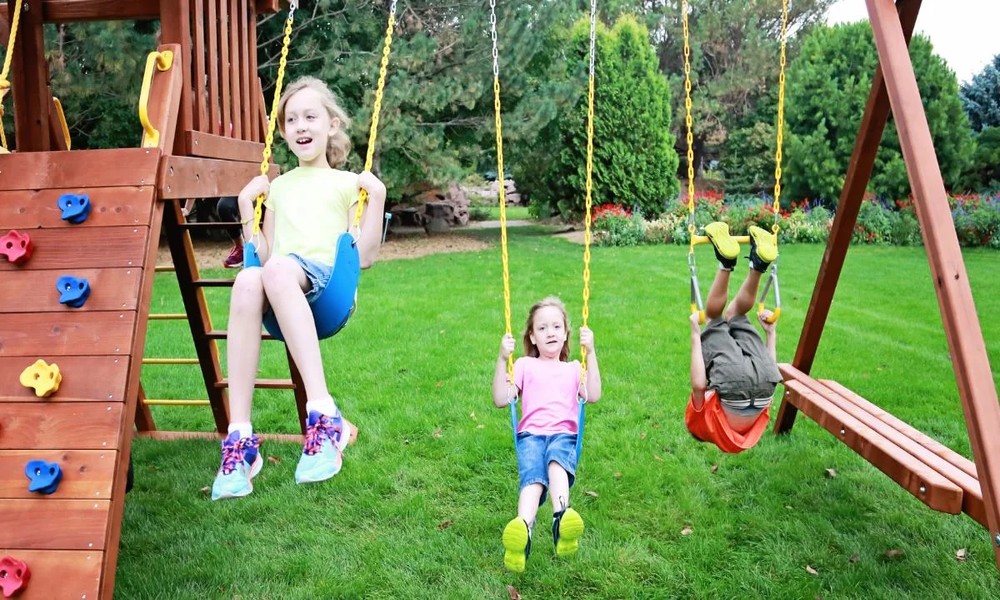
Walk past any well-loved playground and you can instantly tell which equipment has stood the test of time and which pieces are on borrowed days. Faded slides, cracked swings, and rusted frames not only dampen the fun but also pose serious safety concerns. The truth is, choosing durable playground equipment isn’t just about aesthetics or upfront costs; it’s about creating lasting spaces where joy and activity can thrive year after year.
Myth 1: Durable Playground Equipment Is Too Expensive for Most Budgets
Sticker shock is real when you first compare rugged, high-quality playground structures to bargain-bin options. But the initial purchase price only tells part of the story. Investing a bit more upfront can actually slash costs in the long run. Durable equipment requires fewer repairs, lasts decades instead of years, and often comes with robust warranties that shield you from unexpected expenses.
When durability is ignored, replacement and frequent fixes quickly overtake any savings from the initial cheap buy. Features like local manufacturing and strong guarantees add real value. For example, companies like Blue Imp back their equipment with confidence and hassle-free warranties, which means fewer headaches after installation.
Myth 2: All Playground Equipment Is Created Equal
It might be tempting to think all play structures are interchangeable. In reality, climate and environment play a huge role in how equipment weathers over time. Canadian-made playgrounds, such as those built by Blue Imp and represented by Inspire Play playground equipment, are engineered specifically for Canada’s diverse and often harsh outdoor conditions. This means thicker steel, weatherproof coatings, and design details that shed snow and resist corrosion.
Durability is also impacted by the standards set in manufacturing. Products made to stringent Canadian guidelines tend to outperform imports in both safety and longevity. Modern playground innovations further boost durability with features like anti-vandal coatings, reinforced joints, and inclusive layouts.
Myth 3: Maintenance Alone Ensures Long-Term Usability
Regular upkeep is necessary, but it cannot compensate for inferior materials. Choosing flimsy equipment upfront sets up a cycle of constant repairs and rising maintenance bills. Even the most diligent maintenance crew cannot halt the march of rust or the breakdown of cheap plastics in the face of sun, rain, and freezing temperatures.
What makes a difference? Corrosion-resistant materials, UV-stable plastics, and weatherproof paints. Selecting equipment built to endure harsh environments means maintenance becomes periodic rather than perpetual.
Myth 4: Shade and Comfort Features Are Just Extras, Not Essentials
Shade is too often considered a luxury in outdoor play spaces, yet it is vital for both user comfort and the longevity of equipment. Direct sunlight degrades materials over time, fading colors and weakening plastics. Thoughtful design that incorporates steel-framed shelters or fabric shade sails extends both playtime and the usable lifespan of the entire playground.
When children and caregivers have cool, shaded areas, playground visits last longer, heat-related risks drop, and wear on key equipment is minimized. Customizable shade solutions, like those created for projects across Ontario, prove that comfort and durability can go hand-in-hand.
Myth 5: Accessibility Doesn’t Affect Equipment Durability
Inclusive design isn’t just about meeting regulations. Accessible playground features often experience higher usage rates and must be engineered for additional stress and wear. Stronger materials and reinforced construction ensure ramps, swings, and transfer stations remain safe and functional, even with heavy use.
Playgrounds that successfully combine accessibility with robust construction become central community hubs, serving everyone for years rather than falling into disrepair after a season or two.
Myth 6: Local Manufacturing Does Not Influence Equipment Quality
Sourcing playground equipment locally brings big advantages that go beyond patriotism. Buying Canadian-made structures reduces shipping distances, lowering environmental impact and carbon footprints. Local production is held to strict standards for safety and ethics, so you know what (and who) you are supporting.
Every playground built with Canadian materials and labor helps keep jobs within the community. This creates a ripple effect, strengthening local economies and forging connections between manufacturers, installers, and users.
Myth 7: Durable Playground Equipment Limits Creativity and Fun
Who says tough has to be boring? The best playgrounds fuse long-lasting materials with imaginative design. Custom, modular setups inspire creativity, encourage movement, and invite exploration. From modern climbing walls to whimsical, themed play zones, durability and fun are not mutually exclusive.
Real-world examples from across Canada show how playgrounds can spark wonder and withstand years of rough-and-tumble use. Choosing wisely means you never have to sacrifice excitement for endurance.
Selecting durable playground equipment is about more than ticking boxes on a project plan. It’s a thoughtful investment in safety, sustainability, and the kind of fun that never gets old.


